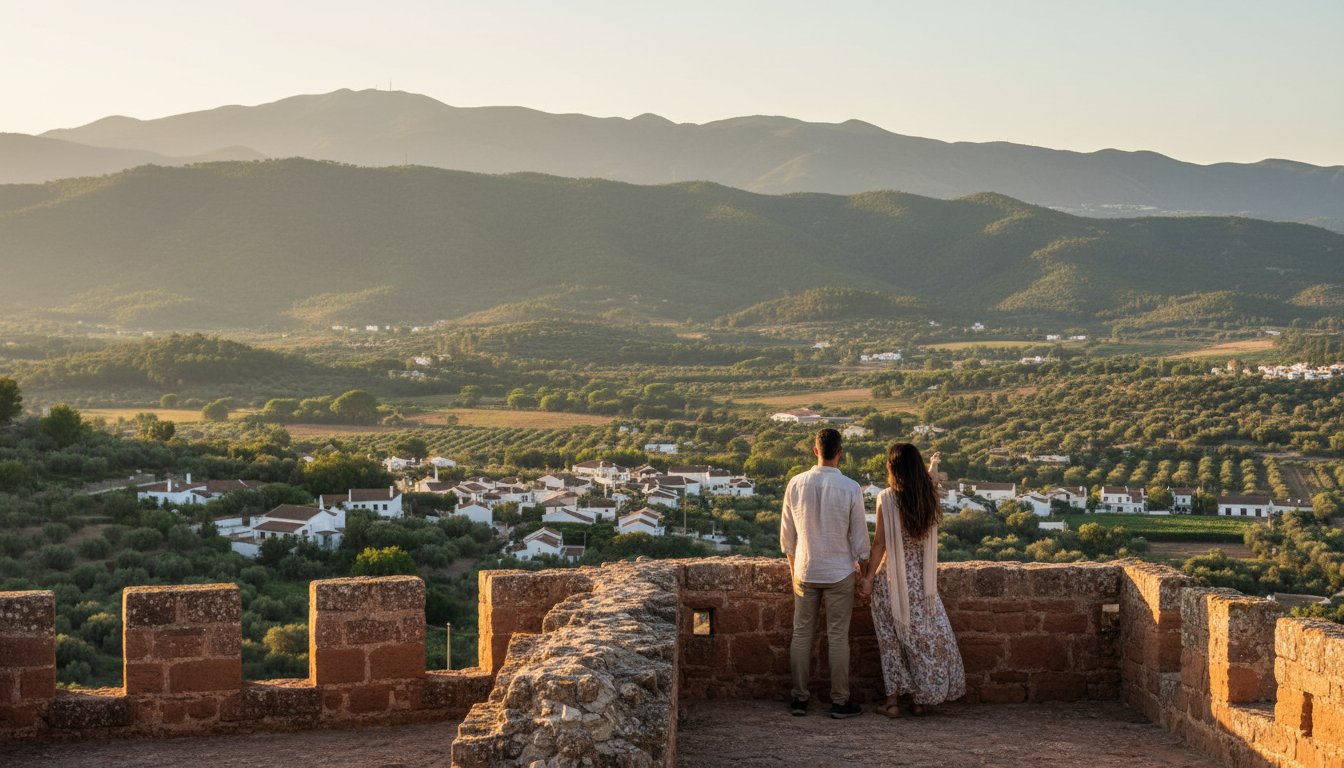
What if the most breathtaking parts of southern Portugal have nothing to do with the ocean? You've seen the postcards of golden cliffs, but you're craving something deeper than a crowded sand strip. If you're wondering what to do in Algarve besides beaches, it's easy to feel like a tourist when you're stuck in coastal hotspots. We agree that your vacation time is precious and deserves more than just another sunbed.
Discover the hidden soul of the region as we show you how to find the secret Portugal. This guide reveals ancient Moorish history, artisan traditions, and wild mountain landscapes that most travelers never see. You'll learn how to connect with the land and its people through enriching, educational experiences that go far beyond the shoreline and the typical tourist traps.
Get ready for an incredible itinerary! We'll preview the best ways to explore the red sandstone of Silves Castle, the bustling Loulé Municipal Market, and the dramatic heights of the Monchique mountains. From the maritime legends at Sagres Fortress to bundled discovery tours in the Ria Formosa Natural Park, these experiences will be the definitive highlight of your entire trip.
Key Takeaways
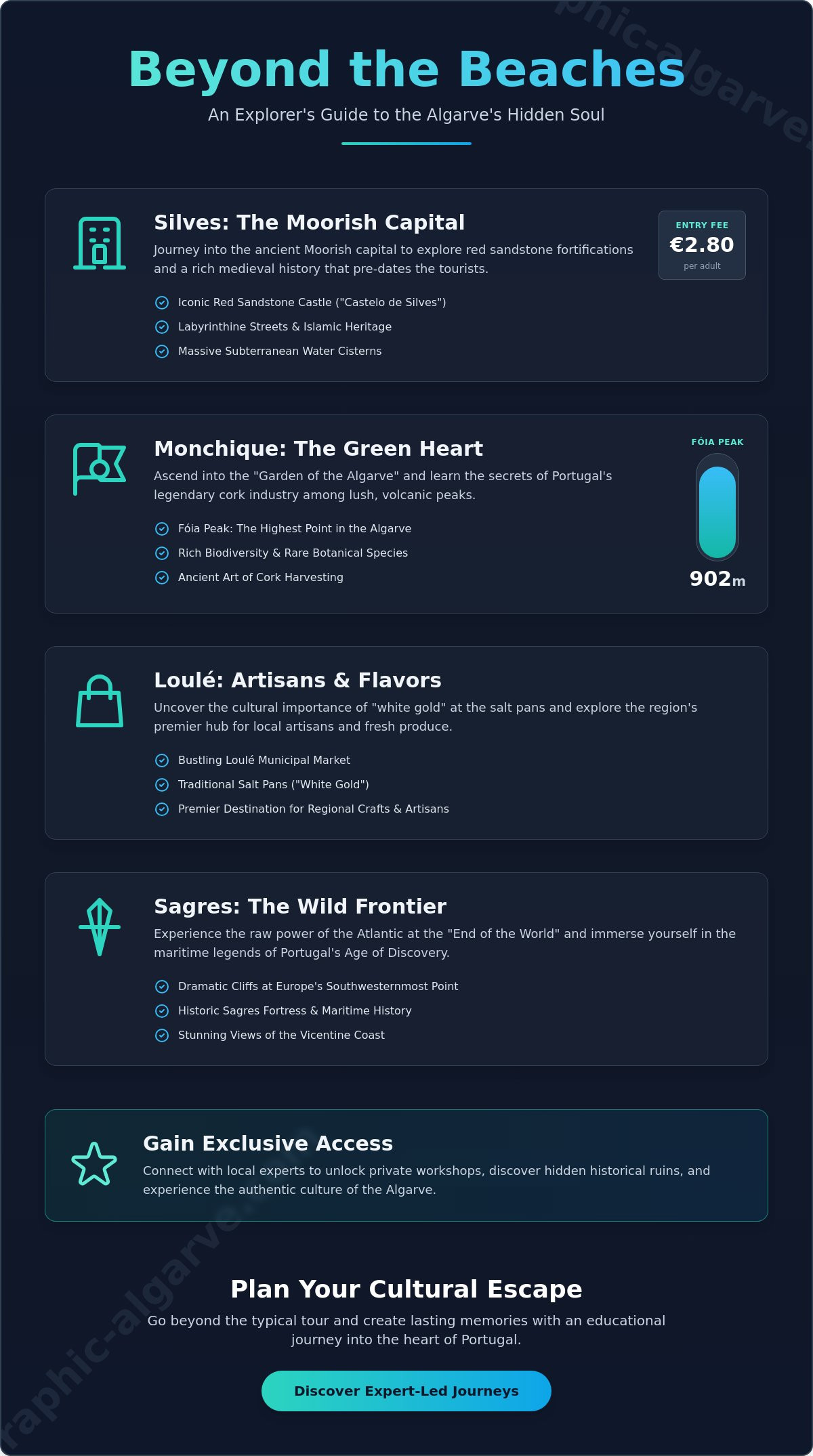
- Journey into the ancient Moorish capital of Silves to explore red sandstone fortifications and medieval history!
- Discover the "Garden of the Algarve" in the Monchique mountains and learn the secrets of Portugal's legendary cork industry.
- Uncover the cultural importance of "white gold" at the Loulé salt pans and explore the region's premier artisan hub.
- Experience the raw power of the Atlantic at the Sagres "End of the World" while finding out what to do in Algarve besides beaches.
- Connect with local experts to gain exclusive access to private workshops and hidden historical ruins!
Step Back in Time: Moorish History and Medieval Silves
Before the Algarve was a global holiday destination, it was a center of high culture and intellectual power. Under Islamic rule, Silves was known as Xelb. It rivaled cities like Seville and Granada in prestige and beauty. This city wasn't just a fortress; it was the cultural capital of the Algarve region. Poets, scientists, and philosophers walked these hills long before the first tourists arrived. If you're looking for what to do in Algarve besides beaches, diving into this rich history is a perfect place to start.
The Moors transformed the dry earth into a lush paradise. They introduced sophisticated irrigation systems, including the noras (water wheels), which allowed orange groves and almond trees to bloom under the hot sun. You can still see the legacy of this agricultural genius in the surrounding valleys today. The landscape is a living map of Islamic engineering. After the Reconquista in 1249, the Great Mosque was replaced by the Silves Cathedral. This shift marked a new era for Portugal, but the Islamic soul of the city remains etched into every stone and narrow alleyway.
The Crimson Castle and Islamic Heritage
The skyline of Silves is dominated by the most impressive castle in the south. It's built from "grés de Silves," a unique red sandstone that glows with a fiery intensity at sunset. Inside the walls, you'll find massive subterranean water cisterns. These engineering marvels allowed the city to survive long sieges by providing a reliable water source for thousands. Standing on the ramparts, you'll see the Arade River winding through the valley below. It's a powerful visual reminder of why this site was chosen as a strategic stronghold. Entry is affordable, with a standard adult ticket costing just €2.80.
Wandering the Narrow Streets of the Former Capital
Leave the main path and get lost in the labyrinthine street layout of the old Al-Gharb. The narrow, winding alleys were designed to provide shade and defense. It's a perfect example of how ancient builders adapted to the Mediterranean climate. If you want to see the artifacts found beneath these cobblestones, head to the municipal archaeological museum. It's a key site for understanding how different civilizations layered their lives here. For those seeking even more depth, our Algarve Cultural Tours provide expert insights into this hidden heritage. This is exactly what to do in Algarve besides beaches if you want to connect with the local identity and discover the true soul of Portugal!
Explore the Green Heart: Monchique Mountains and Cork Traditions
Step away from the shoreline and rise into the emerald peaks of the Serra de Monchique. This volcanic mountain range is often called the "Garden of the Algarve" for its incredible fertility. While the coast remains dry and sun-scorched, the mountains are a lush sanctuary of moisture and life. The rich, volcanic soil supports a dense canopy that feels worlds away from the beach. If you've been wondering what to do in Algarve besides beaches, exploring this vertical landscape offers a refreshing change of pace and a deep connection to nature.
The biodiversity here is staggering. You'll walk through groves of towering eucalyptus and ancient chestnut trees. During the spring, wild orchids carpet the forest floor. It's a place where time slows down. Local life still revolves around the seasons and the land. You can observe traditional honey production or taste the famous medronho firewater. This potent spirit is distilled from wild arbutus berries found on these slopes. It's a sanctuary for traditional rural life that remains untouched by the fast pace of coastal tourism.
Fóia Peak and the Flora of the High Algarve
Reaching Fóia is a must for any nature lover. At 902 meters, it's the highest point in the entire region. The panoramic views from the summit are legendary. On a clear day, your gaze can sweep across the rolling hills all the way to the Atlantic horizon. The unique microclimate at this altitude supports rare botanical species that exist nowhere else in Portugal. It's a high-altitude paradise for hikers and enthusiasts looking for a challenge. Check the official Algarve tourism site for seasonal updates on mountain trails and blooming cycles.
The Ancient Art of Cork Harvesting
Portugal is the world's largest producer of cork, and Monchique is at the heart of this vital industry. The Quercus suber, or cork oak, is a protected species. Harvesting the bark is an ancient art passed down through generations. Specialized workers use hand axes to strip the trees every nine years without causing any harm. This sustainable process makes cork one of the most eco-friendly materials on earth. You can learn more about these fascinating traditions through our Algarve Countryside Tours. We recommend visiting a local factory to see how raw bark is transformed into everything from wine stoppers to high-end fashion. If you're ready to see the green heart for yourself, our Monchique & Silves Tour offers an expert-led journey into these high-altitude wonders.
Savor Authentic Flavors: Loulé Markets and Traditional Salt Pans
Loulé is the undisputed artisan hub of the central Algarve. While the coast offers sun, this inland city offers soul. It's a place where ancient traditions aren't just remembered; they're lived every single day. If you want to know what to do in Algarve besides beaches, spending a morning in Loulé is essential. You'll find a community that takes immense pride in its heritage. This pride is visible in everything from the rhythmic hammering of copper-smiths to the delicate hands of basket-weavers using local palm leaves.
Beyond the crafts, the region's history is tied to "white gold." Sea salt was once the most valuable commodity in Portugal. It fueled the economy during the Age of Discovery and remains a vital part of the local identity. For more inspiration on these inland treasures, check out the Rough Guides Algarve travel guide. This area provides a deep look into the ethnocultural roots that make southern Portugal so unique. The preservation of ancient copper-smithing and basket-weaving ensures that the "real" Algarve stays alive for future generations.
The Loulé Municipal Market: A Sensory Explosion
The market building is a masterpiece of Neo-Arab architecture. Its bright red domes and white walls dominate the town center. Step inside and let your senses take over! You'll be greeted by the rich scents of dried figs, toasted almonds, and sweet carob. Local producers are eager to share their harvest. Look for honey from the hills and the potent medronho firewater. This isn't just shopping; it's a cultural exchange. You're supporting families who have worked this land for centuries. The market is open Monday to Saturday from 7:00 AM to 3:00 PM. Arrive early to see the best local catch and produce!
White Gold: The Traditional Salt Pans of Castro Marim
Travel east to the salt marshes of Castro Marim to witness the harvest of "Flor de Sal." This "flower of salt" is hand-collected from the surface of the water using methods that haven't changed in hundreds of years. It's a delicate process that requires perfect weather and expert timing. This unique ecosystem isn't just for salt; it's a haven for birdlife. You'll often see flamingos and storks wading through the shimmering pans. The historical wealth this industry brought to the region is still visible in the nearby fortifications. It's a stunning example of how humans and nature can work in harmony. To experience this blend of nature and culture, our Loulé & Ria Formosa Tour is the perfect choice for an enriching day out!
Discover the Wild Frontier: Sagres and the Vicentine Coast
Sagres is where the land ends and the ocean's true power begins. Ancient mariners called this place Promontorium Sacrum, believing it was the limit of the known world. Today, it remains a wild frontier that pulses with a raw, unyielding energy. If you're searching for what to do in Algarve besides beaches, the rugged southwest tip offers a dramatic shift in perspective. Here, the gentle Mediterranean vibes of the central coast vanish. They're replaced by 60-meter vertical cliffs and the thunderous roar of the Atlantic. It's a landscape that demands respect and offers a deep sense of isolation and wonder.
This isolated headland was the launchpad for the Age of Discovery. Prince Henry the Navigator established his base here to study the stars, the winds, and the currents. This maritime legacy transformed Portugal into a global power. The area is now protected within the Southwest Alentejo and Vicentine Coast Natural Park. It's widely considered Europe's best-preserved coastline. You won't find high-rise resorts here. Instead, you'll find a sanctuary for rare birds and ancient geology that stretches for over 100 kilometers. It's the perfect destination for travelers who want to experience the untamed side of Portugal.
Sagres Fortress: Where Navigation History Began
Step inside the fortress walls to stand where history was made. The site saw over 427,000 visitors in 2023, making it one of Portugal's most significant monuments. The most striking feature is the giant wind rose (Rosa dos Ventos). This stone circle measures 43 meters in diameter and was used for centuries to teach navigation. The austere beauty of the white buildings against the dark cliffs is breathtaking! Entry for adults is €10.00. The site opens daily at 9:30 AM, staying open until 8:00 PM during the summer months. It's a powerful place to reflect on the global expansion of Portuguese culture.
Birdwatching and Botany in the Natural Park
The natural park is a paradise for nature enthusiasts. During the autumn migration, thousands of raptors and soaring birds pass over these cliffs. It's a premier nature event that draws experts from across the globe. Look closely at the ground to find endemic flora. These rare plants have adapted to survive in harsh, salty winds and poor soil. We encourage a slow exploration of the cliff-top trails. You'll discover unique geological formations that tell the story of the earth's movement over millions of years. Ready to stand at the edge of the world? Join our Southwest Coast, Lagos & Sagres Tour for an expert-led journey through this wild frontier!
Plan Your Cultural Escape: Expert-Led Journeys into the Real Algarve
Choose a journey that enriches your mind and stays in your memory forever. Standard sightseeing often skims the surface, but we invite you to dive deeper. If you're deciding what to do in Algarve besides beaches, an educational approach is the most rewarding path you can take. Our guides act as keys to the region. They unlock doors to private artisan workshops where cork is still hand-stitched and hidden ruins where the Moorish influence is still felt in the cool shade of ancient stone. You aren't just a visitor here; you're an explorer connecting with a living museum.
Our commitment to sustainable tourism ensures that your presence supports the local community. By choosing to explore inland villages and mountain traditions, you help preserve a heritage that has existed for centuries. This is travel with a purpose. You become an active participant in the story of the land. These high-quality experiences are designed to be the definitive highlight of your entire trip. We take pride in our local landscape and want you to feel that every moment of your vacation is precious and well-spent!
Why Ethnocultural Geography Changes How You Travel
Ethnocultural geography is the study of the bond between people and their environment. It explains why a specific village produces copper or why a mountain slope is terraced for almonds. This perspective adds layers of meaning to every step you take. Our multilingual experts translate these complex traditions into stories you can understand. They bridge the gap between the past and the present. You'll gain a professional level of insight that transforms a simple excursion into a masterclass in Portuguese history.
Customizing Your Off-the-Beaten-Path Itinerary
Every traveler is unique. We recommend our Private Tailor-made Tours for those who want a personalized pace and a specific focus. You decide what matters most! We also offer Corporate Incentives designed for team building through authentic cultural immersion. These premium experiences move you quickly from a simple value proposition to a deep, emotional connection with the region. Ready to start your adventure? Book your next journey with Geographic Algarve and experience the hidden soul of Portugal today!
Start Your Authentic Portuguese Adventure Today
You've discovered that the Algarve is a tapestry of ancient history and wild natural beauty. From the red sandstone ramparts of Silves to the high-altitude cork forests of Monchique, there's so much to explore! You now know that the bustling markets of Loulé and the dramatic cliffs of Sagres offer a deeper connection to the land than any shoreline ever could. Choosing what to do in Algarve besides beaches becomes easy when you focus on the region's living heritage and ethnocultural geography.
Geographic Algarve brings over 25 years of local expertise to every journey. Led by Vasco Salgueiro, our team focuses on specialized heritage and sustainable tourism within the region's Natural Parks. We take pride in being your reliable partner for high-quality, organized discovery. Discover the authentic Algarve on a guided cultural journey! Your time is precious. Spend it uncovering the secret soul of Portugal with enthusiasts who love this land as much as you will!
Frequently Asked Questions
What is the best town in the Algarve for history lovers?
Silves is the definitive choice for history enthusiasts! As the former capital of the Moorish Al-Gharb kingdom, it offers a deep dive into Islamic heritage. You can explore the red sandstone castle for €2.80 or visit the 13th-century Cathedral nearby. The city's archaeology museum also houses a unique 11th-century cistern. It's an essential stop for anyone wanting to see the layers of Portuguese history in one place.
Can I see the "real" Algarve in a single day trip?
You can certainly experience the authentic side of the region in a single day! By choosing a focused itinerary like our Monchique & Silves Tour, you'll see the mountains and medieval history in just a few hours. It's a fantastic way to discover what to do in Algarve besides beaches when your schedule is tight. These expert-led journeys ensure you see the most significant cultural sites efficiently.
What are the most famous non-beach landmarks in the Algarve?
The most iconic landmarks include the Silves Castle and the Sagres Fortress at the southwestern tip of Portugal. The Loulé Municipal Market is also famous for its Neo-Arab design and vibrant local produce. Don't miss the Roman ruins at Milreu in Estoi for a look at ancient history. These sites represent the diverse cultural legacy of the area, from the Roman era through the Age of Discovery.
Is the Algarve countryside worth visiting in the winter?
The countryside is arguably at its best during the winter months! The landscape turns a vibrant green and the almond trees begin to bloom in late January. It's the perfect season for hiking the Via Algarviana or exploring the Monchique mountains without the summer heat. You'll find the trails are quiet and the local taverns are even more welcoming during this peaceful off-peak season.
What traditional crafts is the Algarve known for?
The region is world-famous for its sustainable cork production and intricate palm weaving. You'll find beautiful basketry in Loulé and high-quality cork items in São Brás de Alportel. Traditional copper-smithing is another local specialty that has survived for centuries. These crafts are deeply rooted in the rural economy. Connecting with these artisans is a highlight of any cultural escape to the heart of the real Portugal.
Are there any UNESCO sites or protected parks in the Algarve?
The region boasts incredible protected areas including the Ria Formosa Natural Park and the Vicentine Coast Natural Park. Ria Formosa is a vital wetland for migratory birds and sea life. The Vicentine Coast protects over 100 kilometers of wild, unyielding coastline and unique botanical species. These parks preserve the biodiversity and traditional fishing practices that define the southern Portuguese identity. They're perfect for nature lovers!
What is medronho and where can I try it?
Medronho is a potent traditional firewater distilled from the berries of the arbutus tree. It's a clear spirit that packs a punch! You'll find the most authentic versions in the Monchique mountains, where small-scale distillers follow ancient recipes. Many local mountain taverns offer tastings of this regional specialty. It's a true taste of the rugged highlands and a point of immense local pride.
How can I avoid the tourist crowds in the Algarve?
Head inland to the "Barrocal" region to escape the coastal hustle and find total peace. This transition zone between the coast and the mountains is filled with quiet villages and hidden ruins. It's the best strategy for what to do in Algarve besides beaches if you want to connect with locals. Exploring these rural paths allows you to enjoy the landscape and authentic atmosphere at a much slower pace.
Article by
Kim
To conclude her studies Tourism and Recreation Management, Kim came to Portugal in 2006 for a three month internship and then simply never left! She took a few years exploring the country, living in Porto and the Algarve, while gaining experience working for the main international tour operators. Since 2013 she is a full-time local guide for Geographic Algarve, where she can share her love for and knowledge of Portugal in the best way. Both on tour and here in the blog, she shares crucial tips to get the most out of your stay in the Algarve. Kim creates her articles and photos with the help of AI, so she has more time left to show you around in the wonderful Algarve!
Disclaimer - AI generated content
This article was created by AI (including photos), within guidelines set by Geographic Algarve. Geographic Algarve checks to the best of her abilities all articles for incongruencies, but may not succeed to correct all inaccurate details before publishing. In no way or form, are these articles part of any contract when booking one of our trips. Only the specific tour information as stated on www.geographic-algarve.com is valid. In case of any doubt, please contact us via [email protected].


