

The most breathtaking part of the Algarve has nothing to do with the ocean. While thousands of visitors crowd the famous golden beaches each year, an entirely different Portugal sits quietly inland, waiting. Ancient hilltop villages, centuries-old castles, and cork oak forests stretch across a landscape that most tourists never see. That's exactly where the real story begins.
You already know the feeling. You've seen the postcard coastline, navigated the packed promenades, and wondered if there's something more authentic just beyond the horizon. There is. Algarve countryside tours offer a completely different dimension to your trip, one rooted in living history, local flavour, and landscapes that feel genuinely untouched.
In this guide, you'll discover why the Algarve interior deserves a place on every itinerary in 2026. From the mountain heritage of Monchique to the medieval walls of Silves, we'll walk you through the hidden villages, the gastronomy you won't find on any resort menu, and how expert-guided tours make the whole experience effortless. Your best day in the Algarve might not be at the beach at all.
Key Takeaways
- The Algarve interior — known as the Serra — holds ancient hilltop villages, cork forests, and medieval cities that most visitors never discover, offering a far richer experience than the coastline alone.
- Algarve countryside tours unlock living heritage, from the Moorish legacy of Silves to the artisan traditions of cork harvesting and Medronho distilling, giving you authentic insight into a Portugal that has changed little over centuries.
- Choosing the right tour format — shared group or private — and knowing what to prepare for makes all the difference between a good day out and an unforgettable one.
- Geographic Algarve, led by expert Vasco Salgueiro, brings over 25 years of ethnocultural knowledge to every excursion, acting as cultural translators rather than simply guides.
- If you want to blend coastal drama with rural depth, the Southwest Coast, Lagos & Sagres tour offers a compelling way to experience both worlds in a single, expertly curated day.
Exploring the Algarve Countryside: Why Head Inland in 2026?
Most people picture the Algarve as a sun-drenched strip of Atlantic coastline. That picture is incomplete. Behind the limestone cliffs and crowded promenades, a completely different world rises sharply northward: the Serra, the mountain range that has quietly shaped this region's culture, ecology, and identity for centuries. Understanding the Algarve region means understanding both its faces, not just the one on the postcards.
The Serra isn't a backdrop. It's the engine of everything. It creates the microclimates that feed the orchards, shelters the ancient villages from Atlantic winds, and produces the distinctive schist landscapes that feel nothing like the limestone coast just an hour away. When you cross that invisible line between the Barrocal and the Serra, the temperature drops, the air changes, and the silence becomes something you can actually feel.
The Contrast of Two Algarves
The coastal Algarve draws millions of visitors each year. The interior draws almost none. That contrast is precisely why 2026 is the right moment to go. Rural Portugal hasn't been packaged or polished for mass tourism. The schist villages still function as they always have. The cork oaks are still harvested by hand. The weekly markets still serve the locals first. Algarve countryside tours exist not to manufacture an experience, but to give you access to one that's already there.
The mountains also act as a genuine climatic barrier. The Monchique range traps moisture from the Atlantic, creating a lush, almost subtropical microclimate that supports flora you simply won't find anywhere else in southern Portugal. That's not a travel brochure claim; it's basic geography with visible, tangible results.
A Haven for Nature and Biodiversity
The Monchique range is a naturalist's quiet obsession. It shelters rare orchid species, dense stands of arbutus (the strawberry tree, whose fruit becomes the famous Medronho spirit), and ancient rhododendron groves. Birdwatchers find the Natural Parks of the interior genuinely rewarding, with raptors, short-toed eagles, and migrating species using the Serra as a seasonal corridor.
Sustainable tourism matters deeply here. These ecosystems are delicate, and responsible exploration preserves them for future generations. The best time to experience this landscape? Spring brings wildflower blooms and birdsong. Autumn softens the heat and turns the cork forests golden. Both seasons offer something the crowded summer beach never can: space to actually breathe.
This is the Portugal that rewards curiosity. It simply asks you to look beyond the shore.
The Cultural Heart of the Interior: Silves and Monchique
Two destinations define the soul of any serious Algarve countryside tour of the interior. Silves and Monchique sit roughly an hour apart by road, yet they feel like entirely different worlds. One is ancient and urban, built on centuries of conquest and commerce. The other is green, quiet, and rooted in a relationship with the land that predates written records. Together, they make the case for the interior more powerfully than any coastal viewpoint ever could.
Silves: The Red Fortress and Ancient Echoes
Silves was once the Moorish capital of the entire Algarve, a city of scholars, poets, and traders that rivalled Lisbon in cultural prestige. That history isn't decorative. It's structural. The red sandstone castle that crowns the hilltop isn't a ruin; it's a living document. Its underground cisterns, carved deep into the rock to supply water through sieges, speak to a level of civic engineering that most visitors simply don't expect to find here.
Walking Silves means slowing down. The cobbled streets narrow and twist in the way that only genuinely old cities do, shaped by centuries of foot traffic rather than urban planning. Below the castle walls, the Arade River once carried goods between the interior and the Atlantic coast, making Silves a commercial hub that connected the Serra's resources to the wider Mediterranean world. That river still runs today, quieter now, but the geography that made Silves strategically vital hasn't changed at all.
What most itineraries miss entirely is the emotional weight of the place. Silves isn't a museum. It's a small, functioning Portuguese city that happens to contain one of the most significant Moorish fortresses on the Iberian Peninsula. The difference between reading that fact and standing inside those walls is considerable.
Monchique: Mountain Life and Botanical Wonders
Climb north from Silves and the landscape transforms completely. Monchique sits in a lush mountain range that traps Atlantic moisture, producing a microclimate unlike anything else in southern Portugal. The town itself is modest and unhurried, but its surroundings are extraordinary.
Caldas de Monchique, the thermal spa village nestled in a wooded valley below the main town, carries a Roman legacy. The healing properties of its waters were recognized long before modern wellness culture discovered them. The architecture here is distinctive too: the traditional mountain homes feature ornate twisted chimneys, a design quirk unique to Monchique that locals will happily explain if you ask.
At Fóia, the highest point in the Algarve at 902 metres, the panoramic view extends across the entire region on a clear day. The coastline appears as a faint blue line to the south. The cork forests roll away in every direction. It's the kind of view that reframes everything you thought you knew about where you are.
Small roadside shrines appear throughout the mountain roads near Monchique, quiet markers of a spiritual connection to this landscape that has nothing to do with tourism and everything to do with how people here have always understood their place in it.
If you want to experience both Silves and Monchique with genuine depth rather than a rushed checklist, the Monchique & Silves guided tour with Geographic Algarve pairs expert ethnocultural knowledge with unhurried access to both destinations, giving each place the time it actually deserves.
Authentic Traditions: Cork, Honey, and Artisan Crafts
The Algarve interior runs on a different clock. Not slower, exactly, but more deliberate. Every craft, every harvest, every fired pot exists within a rhythm that predates the tourism industry by centuries. Understanding these traditions isn't just culturally enriching; it fundamentally changes how you read the landscape around you.
The Gold of the Forest: Cork Production
Portugal produces roughly half the world's cork supply, and much of that harvest happens in forests like the ones you'll pass through on Algarve countryside tours. The cork oak, known locally as the sobreiro, is never cut down. Instead, its bark is stripped by hand every nine years, a cycle governed entirely by the tree's natural regeneration rate. A single cork oak can be harvested more than a dozen times across its lifespan.
That nine-year rule isn't just tradition. It's ecology. Harvested cork oaks actually absorb more carbon dioxide during their regeneration phase than unharvested ones, making cork production one of the few industries that genuinely improves the ecosystem it depends on. The trees also anchor the soil, support biodiversity, and provide habitat for species found nowhere else in Europe.
When you browse local markets, look for these quality indicators:
- Density and texture: High-quality cork feels firm and consistent, not crumbly
- Natural markings: Visible lenticels (the small pores in the bark) indicate minimally processed cork
- Origin labelling: Products marked cortiça portuguesa confirm local sourcing
Gastronomy of the Hills
Mountain honey from the Serra tastes nothing like the supermarket variety. Bees here forage on wild rosemary, lavender, and arbutus blossom, producing honey with a complex, slightly bitter finish that reflects the exact landscape it came from. It's terroir, applied to honey.
Bread-making in wood-fired stone ovens remains a living practice in the interior villages. The crust carries a smokiness that no modern oven replicates. Paired with local sheep's cheese and a small glass of Medronho, the potent spirit distilled from wild arbutus berries, it's a meal that tells you exactly where you are.
These flavours aren't incidental. They're the edible expression of a Algarve cultural tours narrative that connects geography to daily life in ways no museum exhibit ever could. The artisans weaving esparto grass baskets in doorways, the potters using clay dug from the same hills their grandparents used, they're not performing tradition. They're simply living it.
That distinction matters. It's exactly what makes the interior worth your time.
Planning Your Countryside Expedition: What to Expect
Good preparation transforms a pleasant outing into something genuinely memorable. Algarve countryside tours take you across uneven cobblestones, mountain paths, and centuries-old castle grounds, so the practical decisions you make before you leave matter just as much as the destinations themselves.
Start with your footwear. Sturdy, closed-toe shoes with grip are non-negotiable. The schist village streets and hillside tracks that make the interior so visually striking are also uneven by nature. Sandals and flat-soled shoes are a liability. Sun protection is equally essential, particularly at higher elevations like Fóia where the altitude amplifies UV exposure. Pack a hat, sunscreen, and a light layer for the mountain breezes that appear even on warm days.
Group vs. Private Discoveries
Joining a curated group excursion brings its own rewards. You'll share the experience with like-minded travellers who chose the interior over the beach, and that shared curiosity creates conversations that often become the highlight of the day. Group tours also eliminate every logistical headache: no route-planning, no parking stress on narrow mountain roads, no second-guessing which track leads to the viewpoint and which leads nowhere useful.
Private and tailor-made tours suit different needs entirely. Families with young children, travellers with specific historical interests, or corporate incentive groups benefit enormously from a customised itinerary that moves at their pace and prioritises what matters most to them. Geographic Algarve offers both formats, meaning the experience scales to your group rather than the other way around.
The Expert Guide Advantage
Here's what no packing list can replace: a guide who knows the local shepherd who's been tending the same hillside for forty years, and who can introduce you properly. That's the real value of expert-led Algarve countryside tours. Vasco Salgueiro and the Geographic Algarve team bring over 25 years of ethnocultural knowledge to every excursion, which means they don't just show you a viewpoint; they explain why that particular ridge mattered strategically to the Moors, what the vegetation tells you about the water table below, and which family has been making Medronho on that property since the 1940s.
Multilingual guides also unlock conversations that most visitors simply can't access independently. Village elders don't always speak English. The context behind a roadside shrine, a peculiarly shaped chimney, or a specific agricultural practice lives in Portuguese, and it deserves to be heard properly.
Balancing landmarks with quieter moments is something skilled guides do instinctively. The best days in the interior aren't rushed. They include a castle, yes, but also twenty minutes sitting beside a mountain spring with nothing to do except listen.
Ready to stop planning and start exploring? Book your guided Algarve countryside tour with Geographic Algarve and let the experts handle everything from route to revelation.

Experience the Real Algarve with Geographic Algarve
Some tours show you a place. Geographic Algarve helps you understand it. That distinction sits at the heart of everything Vasco Salgueiro has built over more than 25 years of guiding travellers through the Natural Parks, mountain villages, and coastal headlands of southern Portugal. The mission was never simply to move people between viewpoints. It was always to act as a cultural translator between two worlds: the one visitors arrive with, and the one that's actually here.
A Legacy of Discovery
Twenty-five years of guiding teaches you things no guidebook captures. Which village elder still remembers the last great cork harvest before mechanisation changed everything. Which hillside trail opens onto a view that stops conversation completely. That accumulated knowledge shapes every Geographic Algarve excursion, including the Southwest coast Portugal tour, which weaves rural insight into a coastal itinerary most operators treat as a simple scenic drive. Here, the cliffs get context. The fishing communities get history. The landscape gets a voice.
Quality over quantity isn't a marketing phrase at Geographic Algarve. It's a structural decision. Smaller groups mean deeper conversations, unhurried stops, and the kind of access that disappears the moment a crowd arrives.
Tailor-Made Rural Adventures
Not every traveller wants the same day. A photographer needs different stops than a historian. A family with children moves at a different pace than a corporate incentive group looking for genuine immersion. Geographic Algarve builds custom itineraries around those specific interests, ensuring the experience fits your priorities rather than a pre-set template.
The private jeep safari Algarve expeditions take that philosophy furthest. The routes reach terrain that standard excursions never touch: remote schist hamlets, unmarked viewpoints, forest tracks where the only sounds are wind and birdsong. The route itself is the experience. Every turn is chosen because it reveals something worth seeing.
Sustainable tourism isn't an add-on here either. It's embedded in how every Algarve countryside tour is designed, from the ecosystems visited to the local artisans and producers introduced along the way. You leave having spent your money inside the communities you explored, not just passing through them.
Your best day in Portugal is waiting. Don't leave it to chance. Book your 2026 journey with Geographic Algarve and let 25 years of passion, knowledge, and genuine care for this landscape turn a day out into the highlight of your entire trip.
Your Next Great Portuguese Adventure Starts Inland
The Algarve you haven't seen yet is the one worth talking about when you get home. From the Moorish echoes of Silves to the lush mountain trails above Monchique, Algarve countryside tours reveal a Portugal that's lived-in, layered, and genuinely unforgettable. Add the artisan traditions of cork and Medronho, and you have a day that no beach towel can compete with.
The difference between a good trip and a great one often comes down to who's showing you around. Vasco Salgueiro and the Geographic Algarve team bring 25+ years of heritage-focused guiding and multilingual expertise to every excursion, turning landscapes into stories and stops into genuine discoveries. That's not something you stumble into alone.
If your love for expert-led, personalized exploration extends to the vast landscapes of South America, Funny Times Travel & Tours offers tailored itineraries through Argentina, Chile, and Brazil that mirror this commitment to local depth.
Don't leave your best day in Portugal to chance. Book Your Authentic Algarve Countryside Discovery Today! and let a passionate local expert make every moment count. The interior is waiting, and it's better than you imagined.
Frequently Asked Questions About Algarve Countryside Tours
What is the best time of year for Algarve countryside tours?
Spring and autumn are the standout seasons for exploring the interior. From March through May, wildflowers blanket the Serra and birdsong fills the cork forests. September and October bring cooler temperatures and golden light across the landscape. Summer works well too, particularly at higher elevations like Fóia where mountain breezes keep conditions pleasant, but spring and autumn genuinely offer the richest sensory experience.
Are rural tours suitable for children and families?
Yes, absolutely. The interior villages, castle grounds, and mountain viewpoints hold genuine fascination for curious younger travellers. Geographic Algarve's private tailor-made tours are especially well-suited to families, allowing the itinerary to move at a pace that works for everyone. Hands-on encounters with cork production, local food tasting, and dramatic hilltop views tend to capture children's attention far more effectively than a crowded beach promenade ever could.
What should I wear for a day trip into the Monchique mountains?
Sturdy, closed-toe shoes with a good grip are essential. The mountain paths and schist village streets are uneven by nature, and flat-soled footwear simply isn't up to the job. Bring a light layer regardless of the season, since mountain elevations create breezes that catch visitors off guard. Sun protection matters at higher altitudes too, so pack a hat and sunscreen even on overcast days.
Do the tours include lunch or stops for local food tasting?
Local food experiences are woven into the fabric of Algarve countryside tours with Geographic Algarve, rather than treated as an optional extra. Depending on your chosen excursion, stops typically include opportunities to taste regional specialities like mountain honey, local cheeses, and Medronho spirit. For those who value this focus on artisanal craft, Wine Tours of Sedona offers a similarly refined approach to local tastings in other world-renowned regions. Specific inclusions vary by tour format, so it's worth confirming the details of your chosen itinerary directly with the team when booking.
How long do the countryside excursions typically last?
Most guided countryside excursions run for a full day, giving each destination the unhurried attention it deserves. A rushed visit to Silves Castle or a quick stop in Monchique misses the point entirely. Geographic Algarve structures its tours to include genuine exploration time at each location rather than a checklist of brief stops. Private tailor-made tours offer additional flexibility if your group has specific timing requirements.
Can I customize a tour to focus specifically on history or nature?
Yes, and this is one of the clearest advantages of choosing a private or tailor-made tour. Whether your priority is the Moorish heritage of Silves, the botanical diversity of the Monchique range, or the living traditions of cork harvesting, Geographic Algarve builds itineraries around your specific interests. With over 25 years of ethnocultural knowledge behind every excursion, the team can go as deep into any subject as your curiosity demands.
Is it necessary to book my tour in advance for the 2026 season?
Booking ahead is strongly recommended, particularly for spring and autumn when demand for quality guided experiences in the interior runs high. Private and tailor-made tours require advance planning to ensure the right itinerary is built around your group's needs. Securing your place early also guarantees you the tour format you actually want, rather than having to settle for whatever's available on the day.
Will the guide speak English during the countryside tour?
Yes. Geographic Algarve's guides are multilingual specialists, and English is a core part of every excursion. That multilingual capability matters more than it might initially seem. Many of the most revealing conversations on Algarve countryside tours happen with village elders or local artisans who speak only Portuguese. Having a guide who can bridge that gap in real time transforms a pleasant sightseeing day into a genuinely immersive cultural experience.
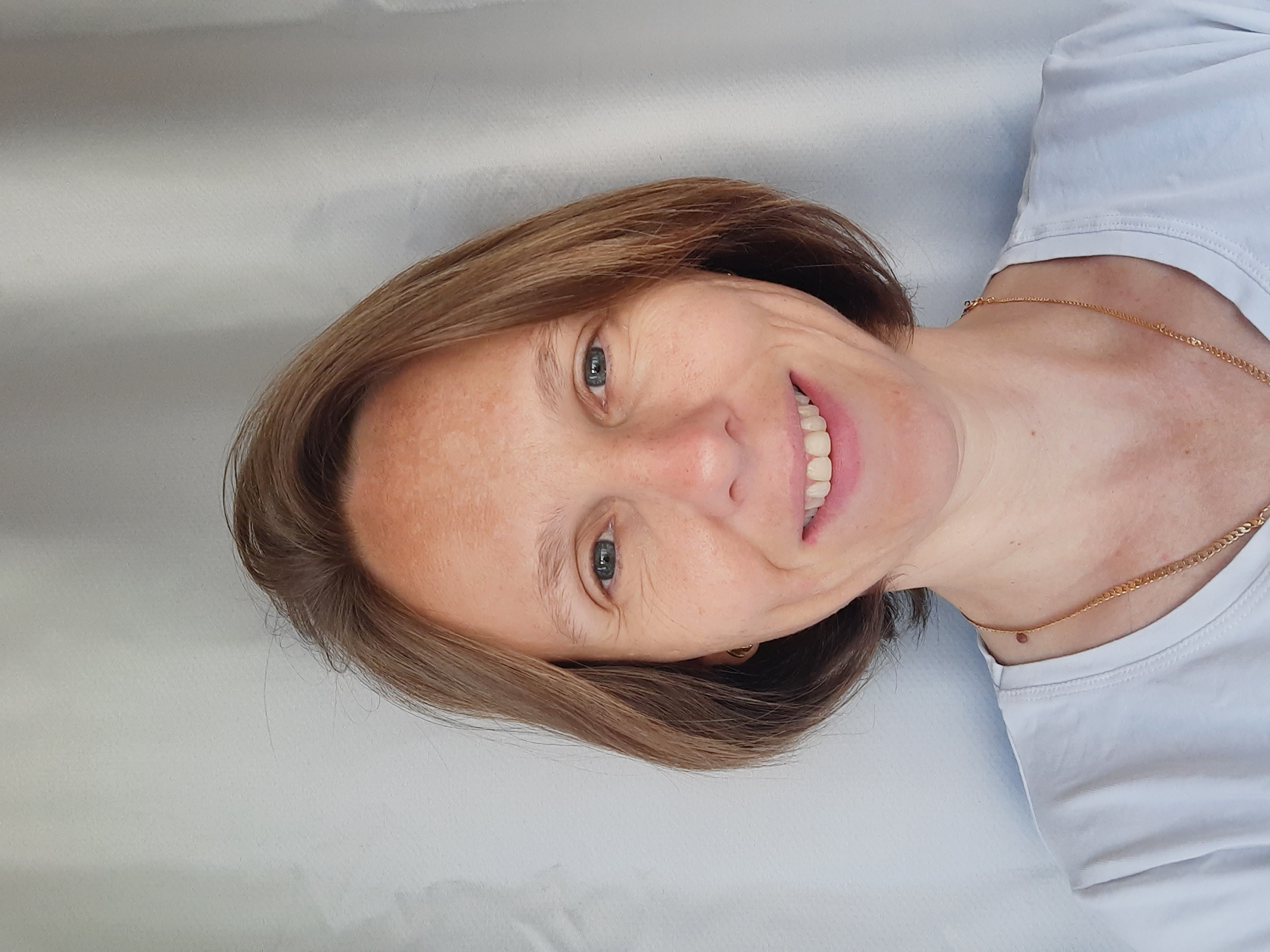
Article by
Kim
To conclude her studies Tourism and Recreation Management, Kim came to Portugal in 2006 for a three month internship and then simply never left! She took a few years exploring the country, living in Porto and the Algarve, while gaining experience working for the main international tour operators. Since 2013 she is a full-time local guide for Geographic Algarve, where she can share her love for and knowledge of Portugal in the best way. Both on tour and here in the blog, she shares crucial tips to get the most out of your stay in the Algarve. Kim creates her articles and photos with the help of AI, so she has more time left to show you around in the wonderful Algarve!
Disclaimer - AI generated content
This article was created by AI (including photos), within guidelines set by Geographic Algarve. Geographic Algarve checks to the best of her abilities all articles for incongruencies, but may not succeed to correct all inaccurate details before publishing. In no way or form, are these articles part of any contract when booking one of our trips. Only the specific tour information as stated on www.geographic-algarve.com is valid. In case of any doubt, please contact us via [email protected].


